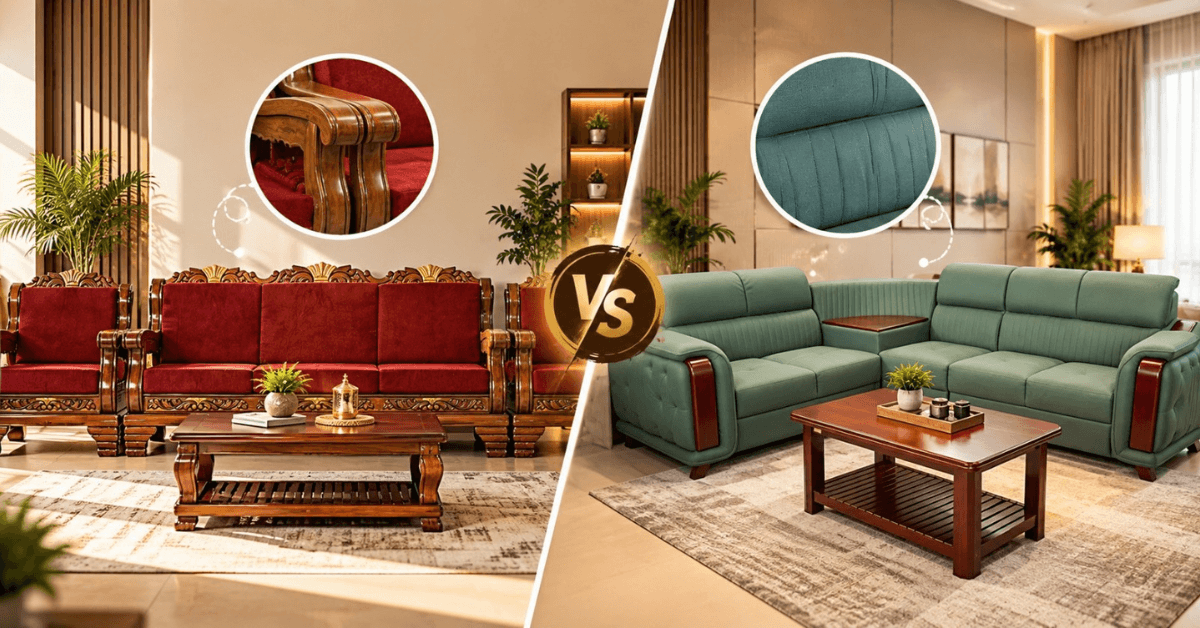
Wooden Sofa vs Fabric Sofa: Which Is Better for Your Home?
Comparing a wooden sofa and a fabric sofa? See the pros, cons, comfort, cost and maintenance of each to choose the right sofa for your home.
Read More
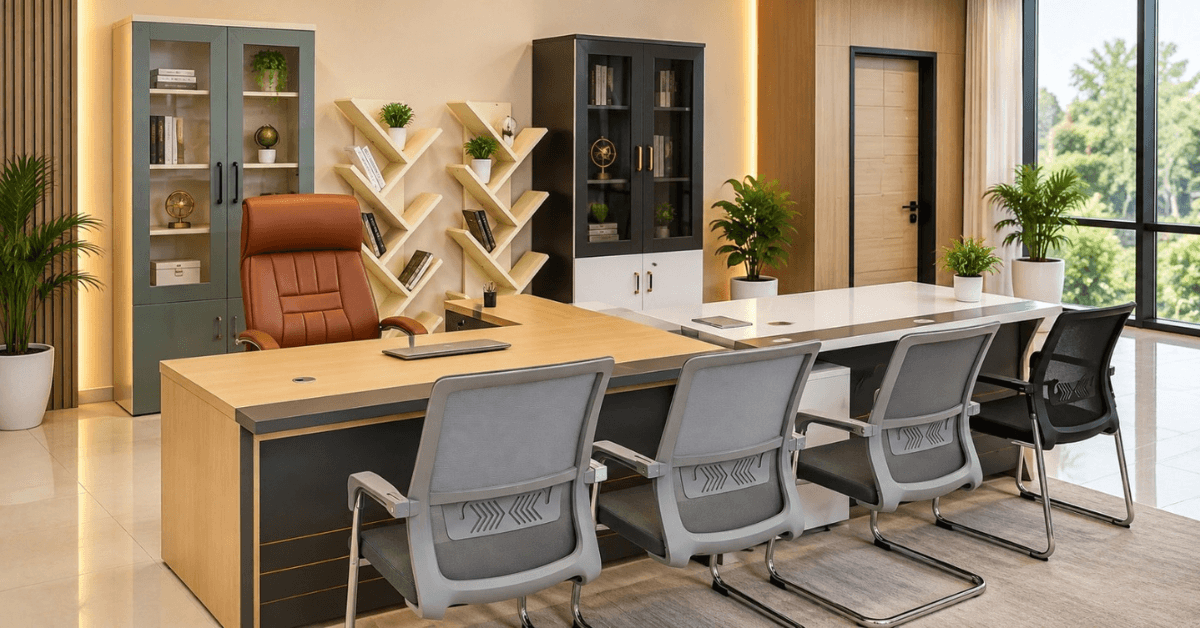
The furniture in your workspace does more than fill the room. It shapes how comfortable your team feels, how well they concentrate and even how clients see your business. A cramped desk or a poorly designed chair can quietly drain energy and productivity, while a thoughtful setup keeps people focused and happy.
Every workspace has different needs, though. A ten-person startup needs flexibility and value. A large company needs consistency, durability and a professional image. A home office needs comfort in a small footprint. This guide breaks down the best office furniture choices for each situation so you can invest wisely.
Most people spend seven to nine hours a day at work, which means furniture is used more than almost anything else in the building. Poor seating leads to back pain, neck strain and fatigue, and these problems show up as absenteeism and lower output. On the other hand, well-designed furniture supports good posture, makes collaboration easier and gives your space a polished look.
Before buying, think about three things: how many people will use the space, what kind of work they do, and how much your business is likely to grow in the next two to three years. Answering these honestly prevents expensive replacements later.
Startups need furniture that is affordable, flexible and easy to rearrange as the team expands. You may move offices, add new hires or change layouts several times in the first few years, so avoid anything too bulky or permanent.
Durable laminated or engineered wood finishes are a sensible choice here, since they balance cost and appearance. As your finances grow, you can add statement pieces in solid wood for the reception or founder's cabin.
Larger organisations need furniture that supports different roles, looks consistent and lasts for many years. Uniform design across departments builds a professional identity, while a mix of spaces gives employees options for focused and collaborative work.
For companies, quality and after-sales reliability matter as much as price. Furniture that looks tired after two years reflects badly on the business, so check the thickness of boards, edge banding, hardware quality and the warranty. You can explore a full range of office furniture built for daily professional use to compare options across categories.
Remote and hybrid work have made the home office a permanent feature in many houses. Space is usually limited, and the furniture has to blend with your home while still supporting long hours of work.
If you work in a bedroom or living room corner, choose pieces that can be tidied away or closed at the end of the day, so you can switch off mentally once work is over.
Whatever the size of your business, a few furniture categories form the backbone of a good workspace:
Good ergonomics is not a luxury. Your chair should allow your feet to rest flat on the floor with knees at roughly ninety degrees. The desk should let your elbows rest comfortably at desk level while typing, and your monitor should sit at eye level about an arm's length away. Adjustable chairs, footrests and monitor stands are inexpensive adjustments that protect your health over the long term.
Also allow enough room between workstations. A gap of at least 3 feet behind each chair lets people move freely and keeps the office from feeling crowded.
Solid wood lasts the longest and brings a classic look, but it costs more. Engineered wood and laminates keep budgets manageable while offering a clean modern finish. Metal frames add strength to chairs and partitions, and powder-coated finishes resist scratches. Match the material to how heavily the piece will be used, and invest more in items that get daily wear, such as chairs and desks.
A good way to manage budgets is to buy the most important items first, such as chairs and main desks, and add decorative or secondary pieces later. Buying in bulk from a single supplier often brings a uniform look and better pricing.
Sketch your floor plan before ordering. Place desks near natural light where possible, keep walkways clear and leave room for future additions. Separate quiet work areas from noisy collaboration zones so that focus is not constantly broken. Even a simple layout plan prevents expensive mistakes.
The best office furniture is the kind that suits your people, your space and your plans for growth. Startups should favour flexibility, companies should invest in consistency and durability, and home workers should focus on comfort and compact design. Whichever group you belong to, put comfort and quality first, because the right furniture quietly improves the work done every single day. If you need help planning a setup for your space, you are welcome to talk to our furniture experts for suggestions and quotations.
Comparing a wooden sofa and a fabric sofa? See the pros, cons, comfort, cost and maintenance of each to choose the right sofa for your home.
Read More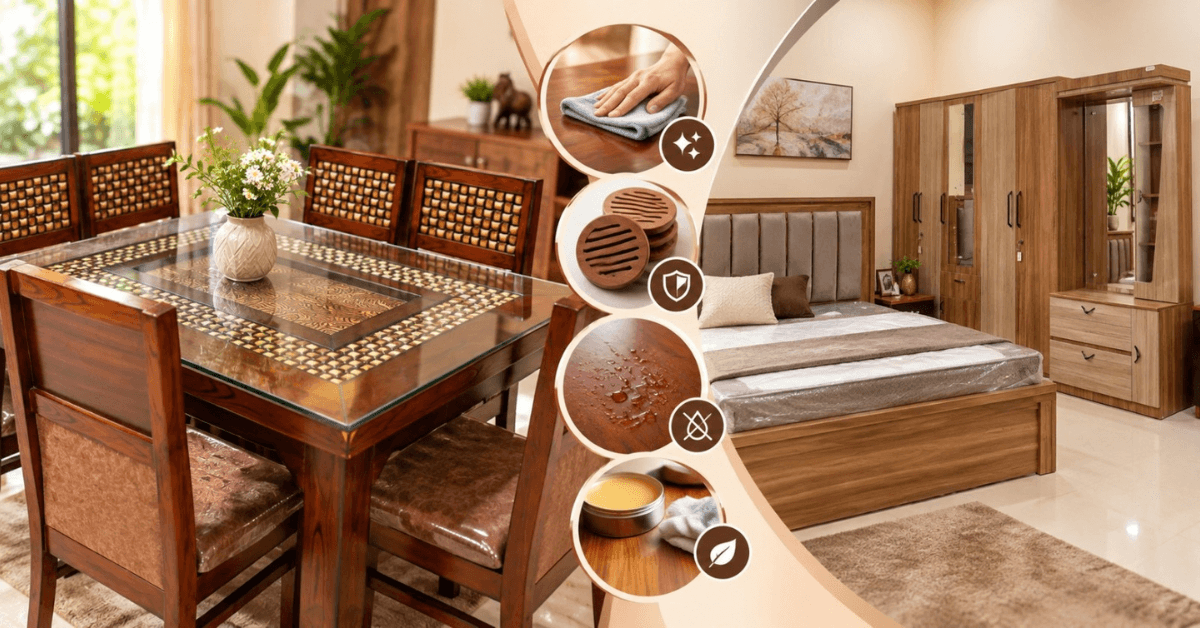
Learn simple, practical tips to clean, polish and protect your wooden furniture from moisture, sunlight, scratches and pests.
Read More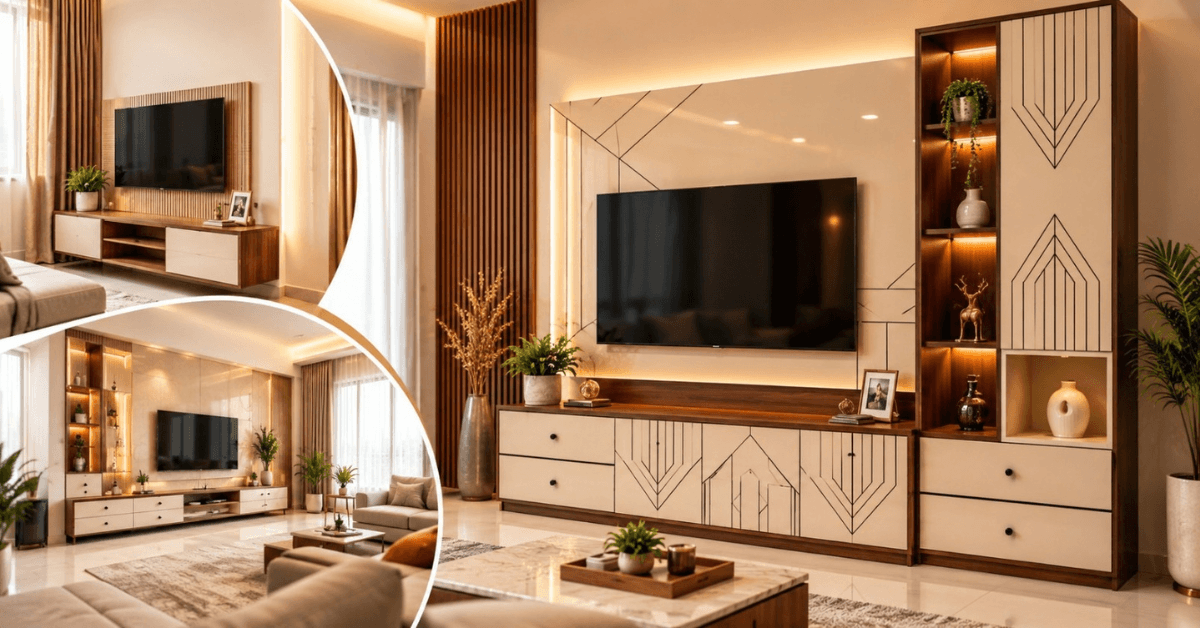
Not sure which TV unit fits your living room? Learn how to pick the right size, style and storage for small, medium and large rooms.
Read More