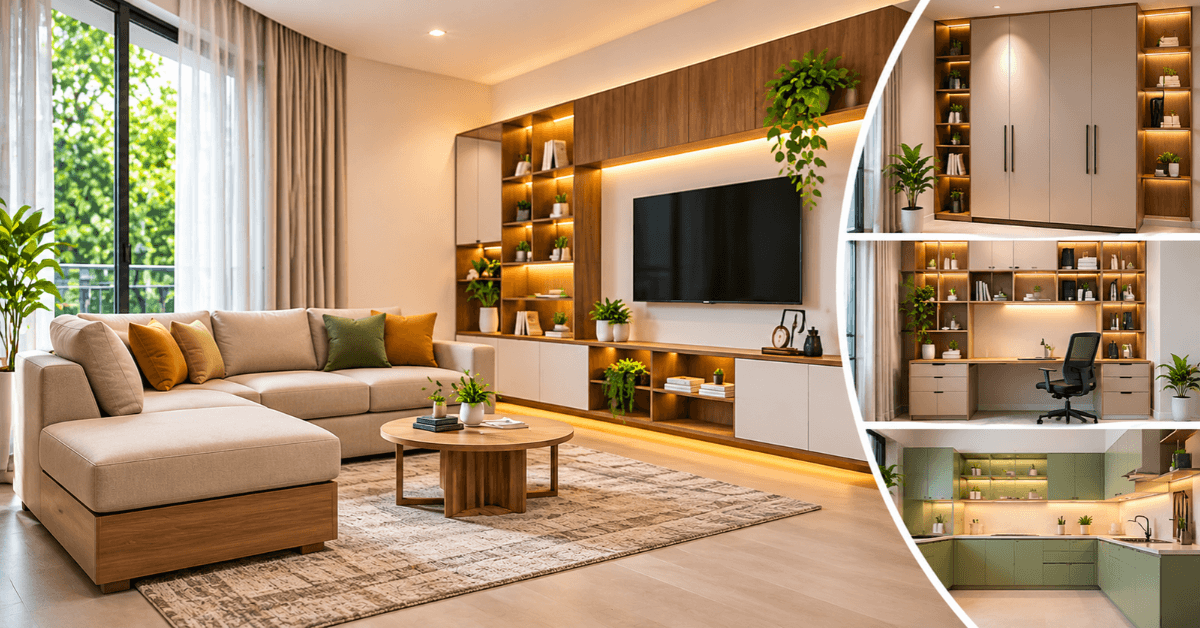
Why Furniture Customisation Is Important for Modern Homes?
Modern homes come in all shapes and sizes: compact city apartments, independent houses with large living rooms, rented flats and spacious villas.
Read More
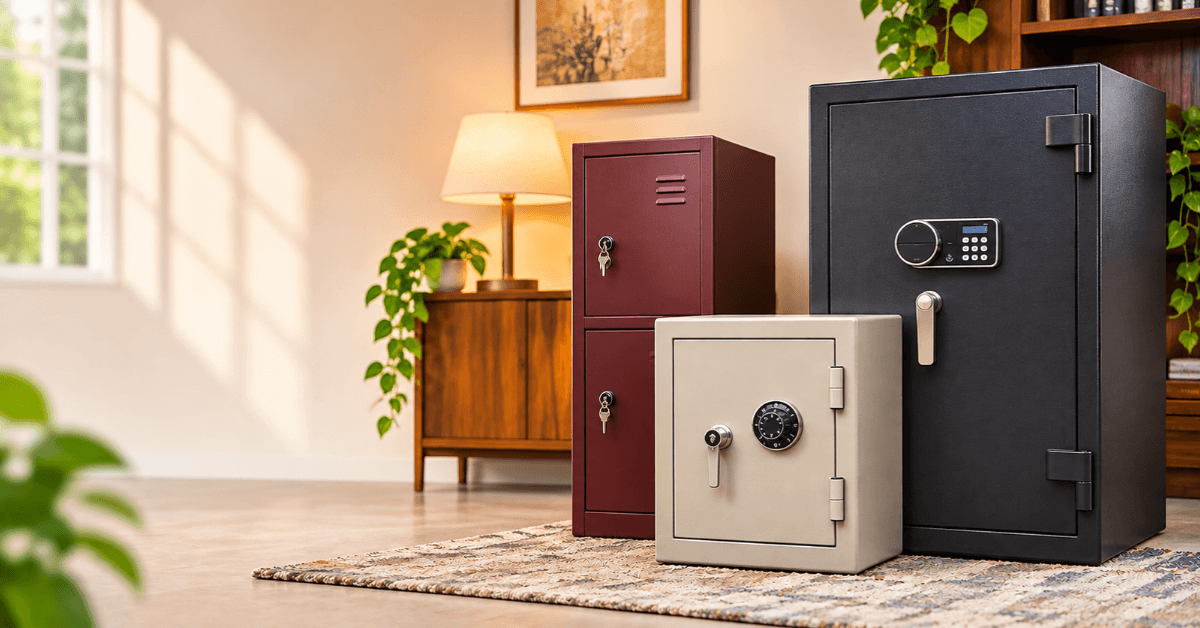
Every home has a few things that simply cannot be replaced: gold jewellery passed down through generations, property documents, passports, insurance papers, emergency cash and hard drives full of family photos. Keeping them in a bank locker is one option, but it comes with annual charges, waiting lists and limited banking hours. That is why more families in Kalaburagi and across Karnataka are now investing in a strong, reliable safe and locker for home.
The challenge is that safes come in many sizes, materials and locking systems, and it is easy to buy one that looks solid but does not actually suit your needs. In this guide, we walk you through everything you should check before buying, the mistakes to avoid, and our honest recommendations based on the kind of home you live in.
A home safe is not only for wealthy families. It is a practical piece of furniture for anyone who wants their valuables organised and protected. Here is what a good locker gives you:
Before you look at any model, write down exactly what will go inside. This single step decides the size, type and features you need.
As a rule of thumb, buy a safe that is slightly bigger than what you need today. Families tend to accumulate more valuables over the years, and upgrading later costs more than buying the right size once.
Home safes broadly fall into the following categories. Each one suits a different kind of home and budget.
Freestanding Steel Lockers
These are the most common choice in Indian homes. They are tall, sturdy units with shelves and an internal locker, similar to a steel almirah but with stronger construction. They are ideal for families who want to store clothes, documents and jewellery in one secure unit.
Compact Digital Safes
Smaller box-style safes with a digital keypad are perfect for apartments and rented homes. They fit inside a wardrobe, under a bed or in a study cabinet, and can be bolted to the floor or wall for extra security.
Heavy Floor-Mounted Safes
If you store a significant amount of gold or cash, a heavy safe bolted to the floor is the strongest option. Its sheer weight makes it extremely hard to carry away, and thicker steel walls resist drilling and prying.
Concealed and Wall Safes
These are fitted into a wall or hidden behind furniture, paintings or panels. They work best when planned during construction or renovation, since they need structural work.
Wardrobe-Integrated Lockers
Many modern homes prefer a locker built into the bedroom wardrobe so that it stays hidden and does not take up extra floor space. If you are also planning new bedroom storage, explore our wardrobe collection and ask our team about adding a secure locker compartment.
The lock is the heart of any safe. Your choice depends on how often you will open it and who else in the family needs access.
Two safes can look identical in a showroom but perform very differently. Spend a few minutes inspecting these details:
Measure the space where the safe will go, including height, width and depth, and leave room for the door to swing fully open. Remember that heavier safes need a strong floor and may need a team to move them in.
Choose a location that is discreet but practical. A corner of the master bedroom, the inside of a wardrobe or a home office cabinet are popular choices. Avoid placing the safe near bathrooms, kitchen sinks or outer walls that get damp during the monsoon, as moisture can damage documents and the locking system.
Whatever size you choose, bolting the safe to the floor or wall is one of the simplest and most effective ways to improve security.
Theft is not the only risk. Short circuits, kitchen fires and water leakage can destroy documents in minutes. If you plan to store property papers, certificates or digital storage devices, ask for a model with fire-resistant insulation and proper door seals. Check how long the safe is rated to protect its contents and at what temperature, and keep documents in sealed plastic covers for added moisture protection.
A safe is a long-term investment that can last decades, so think of the price in relation to what it protects. A compact digital safe is an affordable starting point for apartments, while heavy-duty and fire-resistant models cost more but offer far greater protection. Easy EMI options at our showroom (terms apply) make it easier to choose the right safe without compromising on quality.
Based on the needs we see most often among families in Kalaburagi, here is what we generally recommend:
You can see the available models in our safe and locker collection. Our team will help you compare sizes, locks and features in person so you can make a confident decision.
Choosing the right safe and locker for your home comes down to a few clear decisions: what you want to store, how much protection you need, which locking system suits your family, and where the safe will be placed. Take your time, inspect the build quality and never compromise on security to save a small amount.
Visit Shivankar Furniture Mall on New Jewargi Road, Kalaburagi, to see our safes and lockers in person, or contact our team for guidance on the right model, pricing and delivery.
Which type of safe is best for home use in India?
For most homes, a compact digital safe or a freestanding steel locker works well. If you store a large amount of gold or cash, a heavy floor-mounted safe with dual locking is the safer choice.
Should I bolt my home safe to the floor?
Yes. Bolting stops thieves from carrying the safe away to open it later, and it is one of the easiest ways to improve security.
Are digital lockers safe?
Good-quality digital lockers are very secure, provided you choose one with a backup key, change your PIN regularly and replace the batteries on time.
Modern homes come in all shapes and sizes: compact city apartments, independent houses with large living rooms, rented flats and spacious villas.
Read More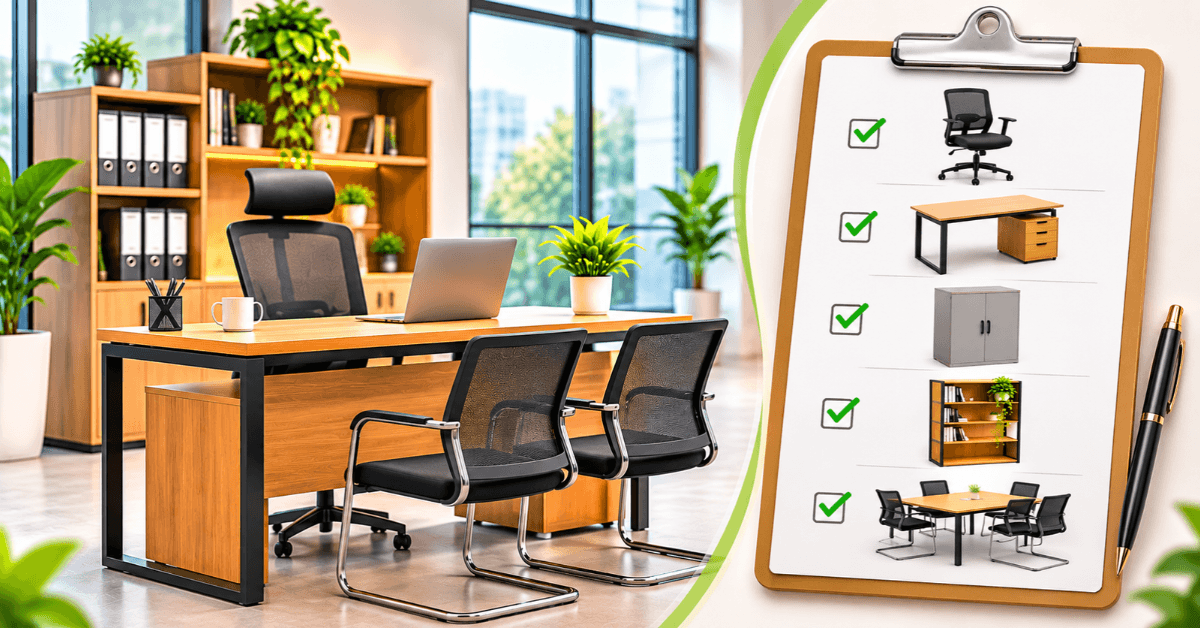
Setting up a new office? Use this office furniture checklist for reception, workstations, cabins, meeting rooms and storage. Shivankar Furniture, Kalaburagi.
Read More
The furniture in your workspace does much more than fill a room. It affects how comfortable your team feels, how productive they are through long working hours, and the impression visitors carry away.
Read More